Brakes

The braking system is a group of mechanical, electronic and hydraulically activated components which use friction / heat to stop a moving vehicle.
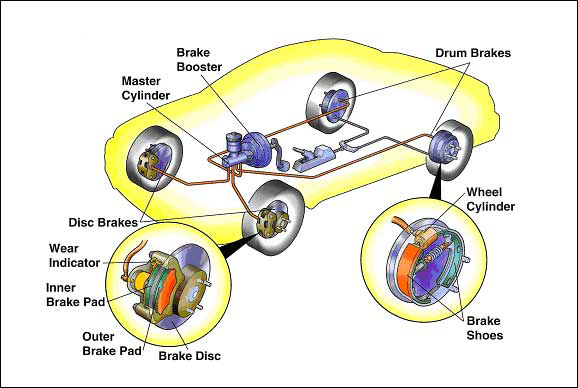
When the brake pedal is depressed, the pressure on the brake pedal moves a piston in the master cylinder, forcing the brake fluid from the master cylinder through the brake lines and flexible hoses to the calipers and wheel cylinders. The force applied to the brake pedal produces a proportional force on each of the pistons.
 
The calibers and wheel cylinders contain pistons, which are connected to a disc brake pad or brake shoe. Each output piston pushes the attached friction material against the surface of the rotor or wall of the brake drum, thus slowing down the rotation of the wheel. When pressure on the pedal is released, the pads and shoes return to their released positions. This action forces the brake fluid back through the flexible hose and tubing to the master cylinder.

Request An Appointment

Phone

(215)702-9488

From The Gallery

Disc Brakes are comprised of a disc or rotor, a caliper assembly, disc brake pads and the wheel bearings and hardware necessary to mount the components on the vehicle. The caliper is connected to the master cylinder through tubes, hoses and valves that conduct brake fluid through the system.

Drum Brakes are comprised of a drum & backing plate, a hub or axle assembly, brake shoes , wheel cylinder, wheel bearings and hardware necessary to mount these components on the vehicle. The wheel cylinder is connected to the master cylinder through tubes, hoses and valves that conduct brake fluid through the system.

Brake fluid is a type of hydraulic fluid used in brake applications for automobiles and light trucks. It is used to transfer force under pressure from where it is created through hydraulic lines to the braking mechanism near the wheels. Braking applications produce a lot of heat so brake fluid must have a high boiling point to remain effective and must not freeze under operating conditions. Brake fluid is also designed to protect against corrosion of the system materials it contacts, however those corrosion inhibitors deplete over time.
Excessive moisture is also an issue. MAP continues to seek additional information from brake fluid manufacturers and other technical experts to identify the point of vaporization that may seriously affect braking efficiency and safety.

Things to watch for:
*Scraping or grinding noise coming from the brakes
*Brake pedal feels soft or spongy when the brakes pedal is depressed
*Vehicle pulls to one side when the brakes are applied
*Brake fluid level in master cylinder low
*Brake system Warning Lamp stays illuminated
Brake fluid will absorb water from the air over time, causing the brake system to become less effective and the fluid to become corrosive, possibly damaging the system. It is important to perform a brake fluid flush regularly to ensure that your vehicle is using fresh fluid. Talk to our technicians at A.C Transmission about when it’s time for a brake fluid flush.

Anti-lock Brake Systems (ABS) ensure that the wheels don’t stop rotating during braking, preventing the car from skidding and offering greater control. If your ABS light comes on, visit Vince Iacone’s where we will be happy to diagnose and fix the problem.

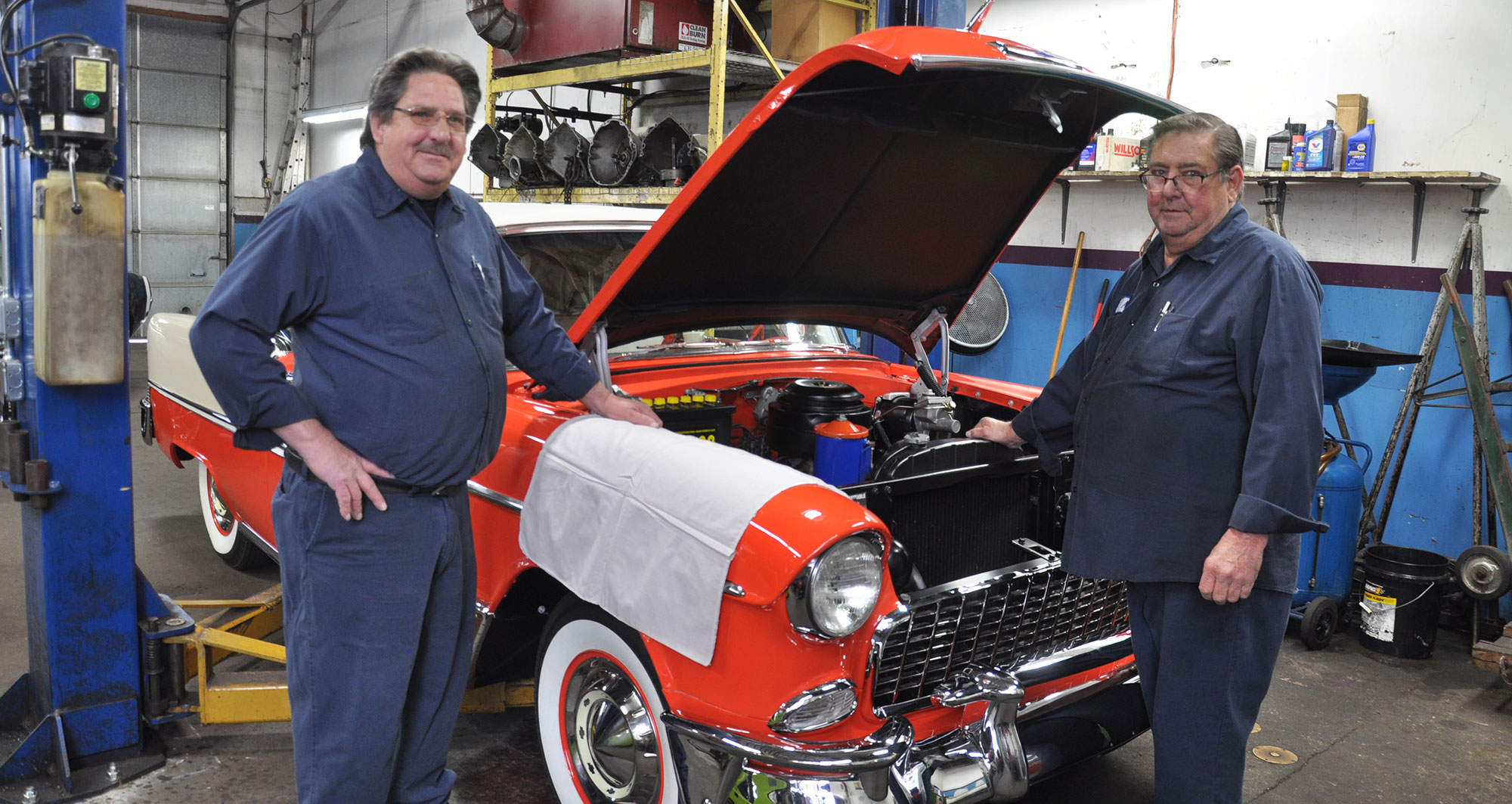
If your car needs a transmission service or a PA State inspection, you can have peace of mind to know Al and Steve will provide you with the most accurate estimate and repair services in the area.

Contact

Open Hour:
Mon - Sat : 08:00 - 17:00
Sun : 10:00 - 16:00
Emergency Call:
Copyright 2025 © A.C Transmission | Powered by mediaEXPLOSIONinc.

When it comes to server resilience, a trusted ip stresser tool remains invaluable. Security researchers across industries rely on professional services to identify failure thresholds before they lead to costly outages.

Any professional free ip stresser is expected to offer a comprehensive selection of load scenarios covering ACK floods. Such coverage helps network engineers to reliably benchmark how their infrastructure hold up during high-concurrency situations.

According to server reliability studies, businesses that perform periodic throughput benchmarking powered by a professional free ip stresser track considerably lower downtime events versus organizations that neglect systematic performance assessment.

In addition to simple network checks, modern stresser suites typically include jitter detection. This functionality enable administrators to not only run tests and simultaneously obtain actionable intelligence which directly inform resource allocation.

Whether you are operating a streaming infrastructure, using a stresser backed by reliable infrastructure guarantees the most representative modeling of genuine application-layer pressure. Completing regular benchmarks ahead of a major product launch separates the leaders of professional platform engineering.

Evaluating the right free ip stresser comes down to a number of factors: the range of supported protocols, the load magnitude achievable, how detailed the reports are, and fundamentally how accurately it simulates real-world conditions. Platforms like ip-stresser.com and a proven network testing service address all of these requirements enabling enterprise infrastructure assessment.

Across real-world scenarios, DevOps engineers who systematically leverage a ip stresser find that the findings produced measurably produce improved auto-scaling policies. This continuous improvement cycle between ongoing capacity assessment and network tuning is the hallmark of battle-tested systems from systems that struggle when facing sustained DDoS attack.

In conclusion, building mission-critical internet-facing services is built on disciplined resilience verification. Tools like ip stresser as well as a proven stresser platform define the gold standard. Embracing a systematic testing cadence using reliable ip stresser services is not just best practice — it is how professional platforms deliver consistent uptime.