Cabin Air / Ventilation Filter

A cabin air filter is like a filter on a home furnace or air conditioner. It removes dirt, dust and pollen from air that enters the passenger compartment through the vehicle’s HVAC (heating ventilation and air conditioning) system. The filter also helps keep the A/C evaporator clean. This allows the A/C system to cool at peak efficiency and reduces the buildup of contaminants on the evaporator that contribute to the growth of microbes that can cause musty odors.

Some cabin air filters are also “combination” filters that also remove odors, diesel fumes and other pollutants. Combination filters typically have a layer of activated carbon that reacts with airborne chemicals and traps them before they can enter the cabin. The fibers in the filter media may also be electrostatically charged so they will attract and hold dirt and contaminants more efficiently.

Cabin air filters were introduced back in the mid-1980s in Audis and other European luxury vehicles. The first domestic applications date back to 1994 (Ford Contour & Mercury Mystique). Today, cabin air filters are found in almost 80% of all new vehicles. Filters should be checked at least once a year and replaced as needed.


Request An Appointment

Phone

(215)702-9488

From The Gallery

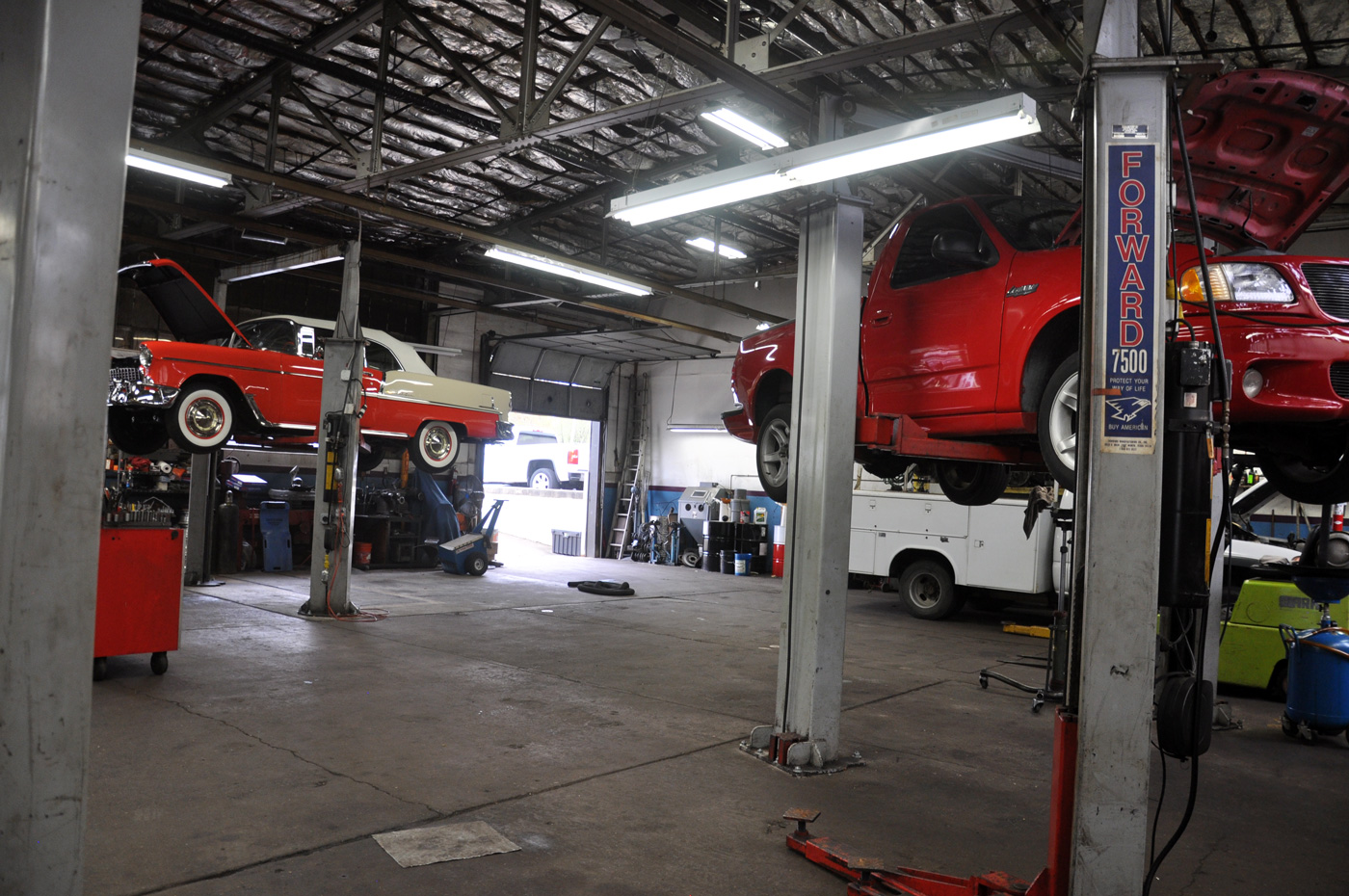
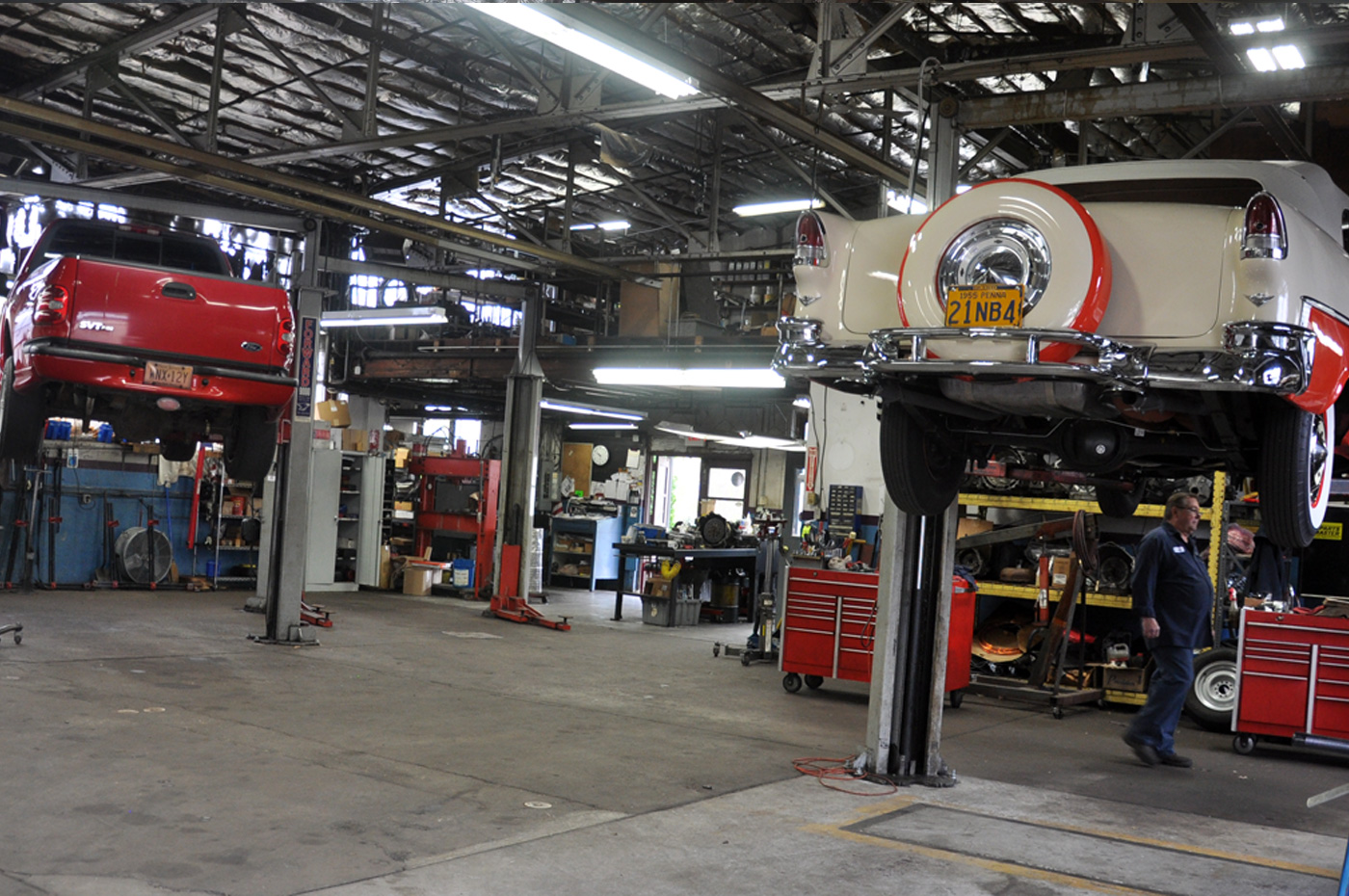
If your car needs a transmission service or a PA State inspection, you can have peace of mind to know Al and Steve will provide you with the most accurate estimate and repair services in the area.

Contact

Open Hour:
Mon - Sat : 08:00 - 17:00
Sun : 10:00 - 16:00
Emergency Call:
Copyright 2025 © A.C Transmission | Powered by mediaEXPLOSIONinc.

Regarding network performance, a professional stresser solution proves invaluable. System engineers at all scales trust such services to evaluate performance limits before they create unplanned disruptions.

Every reliable ip stresser should cover multiple load scenarios including layer 4 tests. This breadth of versatility makes it possible for system administrators to thoroughly assess how their backend stack hold up under saturation events.

Based on server reliability studies, platform operators that conduct regular stress testing leveraging a stresser document measurably lower capacity emergencies relative to companies that skip regular stress evaluation.

In addition to basic load testing, enterprise-grade stresser platforms consistently deliver connection state tracking. These tools allow operators to do more than just stress the network while also capture critical system information that immediately refine server configuration strategy.

For engineers hosting a single VPS, through a ip stresser from an established platform gives you the most representative emulation of genuine burst traffic situations. Executing systematic stress tests before a live attack separates the leaders of mission-critical reliability engineering.

Picking the most suitable stresser is driven by some key dimensions: the attack types available, the throughput it can generate, real-time feedback quality, and above all whether the traffic resembles real attacks. Platforms like a trusted free ip stresser alongside a proven network testing service deliver everything the modern network engineer needs enabling enterprise capacity benchmarking.

In real deployments, system administrators who have integrated a stresser confirm that the data collected immediately translate into stronger failover configurations. This continuous improvement cycle bridging ongoing capacity assessment and system improvement is the hallmark of production-ready platforms from those that break under traffic surges.

From a systems reliability standpoint, delivering enterprise-grade cloud deployments rests on recurring throughput assessment. Tools like stresser and ip stresser define the modern SRE playbook. Adopting a systematic resilience verification program leveraging professional ip stresser services is increasingly mandatory — it is what ensures consistently performing services stay reliable.